Dividends delivered more than half of FTSE 100 returns over the past decade
First published: 05:44 14 Mar 2026 GMT

As growth stock valuations stretch and SaaS shares slide, data from Bowmore Asset Management puts the case for income investing back on the table, from London to Singapore.
Dividends accounted for 52% of the total return of the FTSE 100 over the last 10 years, according to research by Bowmore Asset Management, a finding that puts the often-overlooked role of income at the centre of the long-run equity performance debate.
The data arrives at a telling moment. After years in which growth investing dominated, with technology and software companies routinely outpacing income-focused strategies, the tide is shifting. Stretched valuations on growth stocks and a recent rout in software-as-a-service shares have reminded investors that high multiples carry real risks.
The Asia Pacific picture
The pattern extends far beyond the UK. Over the 20 years to November 2025, dividends drove 56% of total equity returns across the Asia Pacific region, suggesting that income’s contribution to long-run performance is not a quirk of the British market but something more fundamental.
The macro backdrop reinforces the case. Global dividends reached a record $519bn in the third quarter of 2025, up 6.2% year-on-year, reflecting broad corporate health and a continuing commitment to returning cash to shareholders.
Why income is back in favour
James Woodman, Investment Director at Bowmore Asset Management, frames the shift in investor sentiment as a direct response to valuation concerns in growth markets.
“The multiples on many growth stocks no longer look attractive, which is why investors are looking at higher-yielding shares,” he says. “Growth shares have taken a hit recently and are at risk of a larger correction. At the same time, corporate governance reforms globally continue to drive dividend growth.”
Equity income investing focuses on generating returns through steady cash flow rather than relying solely on share price appreciation. The approach tends to favour sectors with resilient earnings, including utilities, consumer staples, financials and energy.
Dividends as a sign of strength, not stagnation
The research also pushes back on a persistent misconception: that dividend-paying companies are mature, slow-moving businesses that have run out of growth ideas.
Woodman is direct on this point. “Dividends are not a sign that a company has run out of ideas. They are a sign of financial strength and rational capital allocation. Returning excess cash to shareholders allows investors to redeploy it into new opportunities rather than leaving it tied up in projects that may not generate attractive returns.”
The argument positions income investing not as a defensive retreat, but as a disciplined approach to capital that serves investors across market cycles.
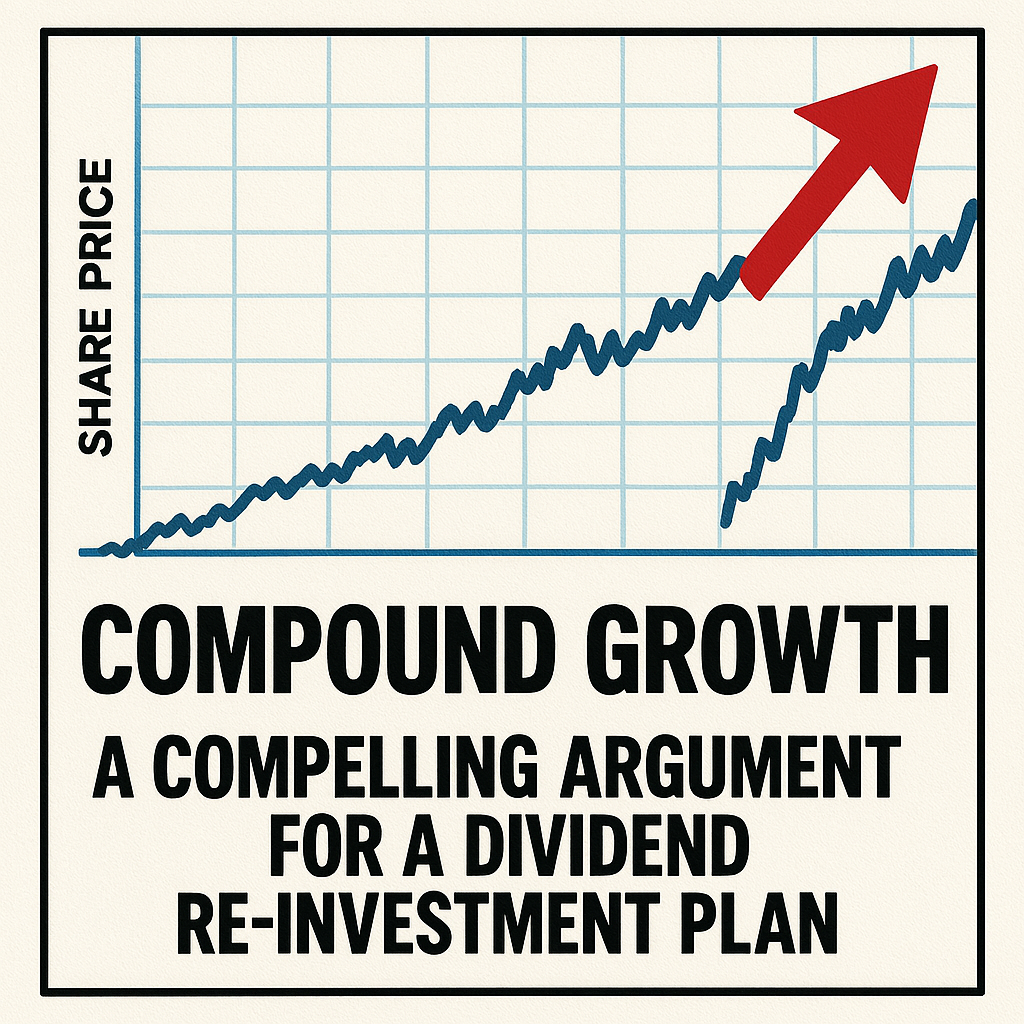
FTSE 100 total return: dividends vs price alone
The chart illustrates the cumulative divergence between the FTSE 100 total return index, which includes reinvested dividends, and the price return index over the past decade. Over time, the compounding effect of dividends accounts for a substantial share of the gap.
Proactive

Leave a Reply