Why building a million-pound SIPP gets easier after £100k
Aiming to grow a seven-figure SIPP? Once you’ve got the first £100k, things get a lot easier thanks to the power of compounding. Here’s how.
Posted by Zaven Boyrazian
Published 5 April
You’re reading a free article with opinions that may differ from The Motley Fool’s Premium Investing Services.

Building a million-pound Self-Invested Personal Pension (SIPP) is a goal shared by many UK investors. Reaching this coveted threshold is a multi-decade journey that requires immense patience and discipline, especially during periods of higher market volatility. But the good news is, once you’ve built the first £100k, things get a lot easier.
Here’s why.
Unleashing compounding
Let’s say someone’s putting aside £10,000 a year to invest in their SIPP. After receiving 20% tax relief from the government, that automatically gets topped up to £12,500 of investable capital. And investing this money at the stock market’s 8% average annualised return, a brand-new retirement portfolio would reach seven figures in just over 25 years.
The first six years of this journey are spent just trying to reach £100,000. But once a portfolio enters six-figure territory, compounding really starts working its magic.
After 10 years of consistently investing and staying disciplined, a SIPP would have grown to £190,557 – almost £200k. What’s exciting is that the second £100,000 only took around four years to achieve instead of six.
After 20 years, the SIPP is now worth £613,524. While only £190k was made in the first decade, during the second, close to £423,000 of wealth was unlocked. And with just another five years of staying focused and disciplined, the retirement portfolio will be on the verge of crossing over into millionaire-territory at £990,590.
Please note that tax treatment depends on the individual circumstances of each client and may be subject to change in future. The content in this article is provided for information purposes only. It is not intended to be, neither does it constitute, any form of tax advice. Readers are responsible for carrying out their own due diligence and for obtaining professional advice before making any investment decisions.
Aiming for 8%
Just last year, the FTSE 100 vastly outperformed its average. But when looking across the 2010s, the UK’s flagship index struggled to deliver close to 6% a year. And while a 2% difference may not seem like much, it actually adds close to five years to reaching millionaire status.
So rather than relying on index funds, investors can decide to invest directly into only the best and brightest of businesses. While this involves taking on more risk, it also opens the door to potentially market-beating returns, slicing years off the timeline.

Now lots of readers will not have 100k of capital to invest in a dividend re-investment scheme and even if they did they have to invest against all the mainstream advice they have been given over the years. That TR is more than important than dividends. The first six years of this journey are spent just trying to reach £100,000 so along as you add to your plan compounding really starts working its magic.
The first six years of this journey are spent just trying to reach £100,000. But once a portfolio enters six-figure territory, compounding really starts working its magic.
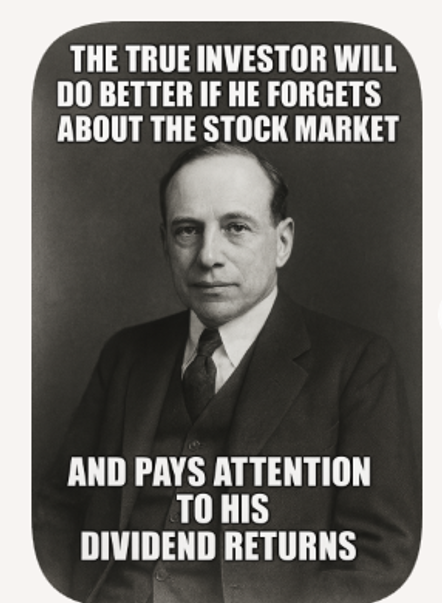
Benjamin Graham
Leave a Reply